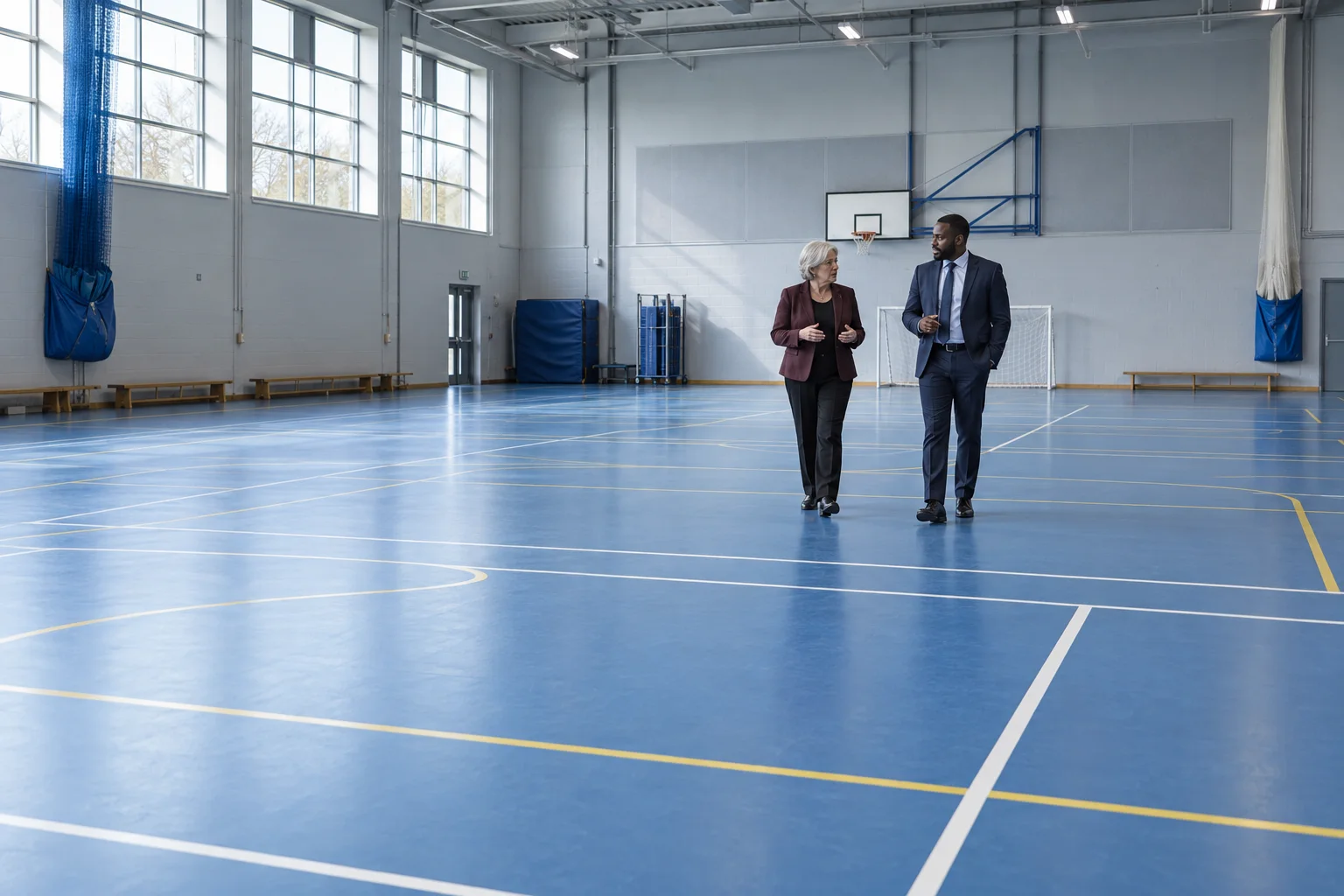
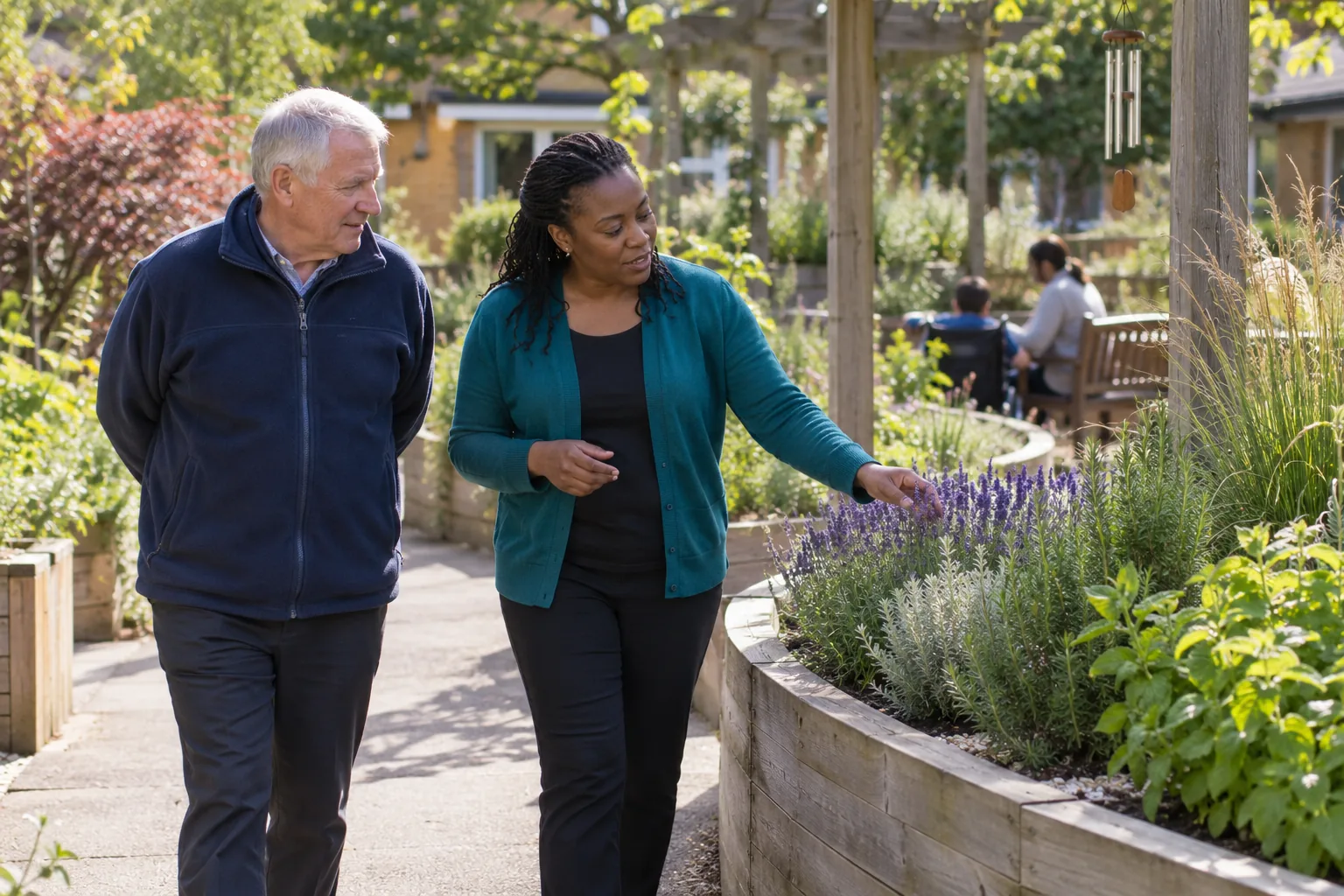
Visits are for every governor, not only the chair or the link governors, and many local authorities provide their own guidance on governor visits, while schools may have their own visits policies. There is no national template. This guide sets out what a visit is for and what it is not, a protocol from planning to report, what the governor visit report should record, and who can read it afterwards.
What the DfE says about governor visits
The DfE's guidance on governor visits is short and is in section 3.3.3 of the maintained schools governance guide, which replaced the withdrawn Governance Handbook. It says occasional visits enable governors to “fulfil their statutory responsibility for the conduct of the school”, to “see whether the school is implementing their policies and improvement plans” and to “see how their policies and improvement plans are working in practice”. It then sets three conditions. Focused governor monitoring visits should be:
- “in line with school improvement plan priorities”
- “for an identified purpose linked to the governing body's responsibilities, such as safeguarding”
- “pre-arranged with the headteacher or executive headteacher”
Two limits sit beside them: “Individual governors do not have an automatic right to enter the school whenever they wish”, and “It is not the governing body's role to assess teaching and learning or to interfere in the day-to-day running of the school.” The guide adds that many local authorities publish their own guidance on governor visits and that schools may have their own policies, which is where most of the detail lives.
The academy trust governance guide does not set out a visits procedure; in a trust, visits by trustees and local governors follow the trust's own policy and the remit its scheme of delegation gives each local committee. The National Governance Association's guidance on school monitoring visits describes visiting as “an essential part of the governor/trustee role”, because feedback from planned visits lets the board “monitor how their strategy is being implemented, how their policies are working and to identify strengths and areas for development”; its guide covers the focus of school visits, scheduling them, how to conduct one and reporting back to the board.
What a monitoring visit is for, and what it is not
A governor visit is a way for the board to test what it has been told. The board hears in meetings that the new reading scheme is in place, that the behaviour policy has been relaunched, that the special educational needs register has been reviewed; a visit lets a governor see what that looks like in a corridor, a classroom or a conversation with a member of staff, and bring it back. Typical focuses are:
- a priority in the school improvement plan, such as attendance, reading or the curriculum in a particular subject;
- a statutory responsibility the board holds, such as safeguarding, special educational needs and disabilities, careers education in a secondary school, or health and safety;
- a policy the board has approved, to see whether it is understood and followed;
- the impact of a spending decision, such as pupil premium or a capital project;
- pupil and staff experience, through conversations agreed in advance with the headteacher.
A visit is not an inspection, a lesson observation for judging a teacher, part of anyone's performance management, or a route for a governor to raise a matter about their own child. It is not unannounced. And it is a visit by the board: a governor visits because the board, or a committee, has asked them to look at something on its behalf, which is why the report goes back to the board rather than staying with the governor.
Governors are also visitors in a school's safeguarding arrangements. Keeping children safe in education 2026 (KCSIE) says, at paragraph 382, that school safeguarding policies “should set out the arrangements for individuals coming onto their premises”, so a governor signs in and follows those arrangements like anyone else. Maintained school governors hold an enhanced DBS certificate; that does not give them a right to work unsupervised with pupils, and what they do on a visit is agreed with the headteacher in advance.
A governor visit protocol, from planning to report
A visits protocol, approved by the board and usually part of a governor visits policy, makes visits predictable for staff and useful for the board. A workable one has three stages.
Before the visit. The governing board agrees a schedule of school visits for the year, linked to the improvement plan and the link roles, so that visits cover the plan rather than whatever is convenient. The governor contacts the headteacher, or the member of staff they have agreed with, to fix the date, the time and who they will meet, and shares the focus and two or three questions in advance. The maintained schools guide asks boards to agree with leaders how data will be provided “while being mindful of the impact on workload”, and the same thinking applies to visits: a visit should not need staff to prepare anything they would not otherwise have.
During the visit. Sign in, keep to the agreed focus and timings, and talk to the relevant staff and pupils the headteacher has agreed. Ask open questions and listen more than talk. Do not comment on the quality of an individual's teaching or make promises on the board's behalf. If something worries you about a child's safety, tell the designated safeguarding lead before you leave, and follow the school's procedure rather than writing it into the visit report. If a member of staff raises a concern about the school with you, explain that you will pass it to the headteacher or, if it is about the headteacher, to the chair, and do so.
After the visit. Before leaving, spend a few minutes with the headteacher or the senior leader you met, sharing first impressions so that nothing in the report comes as a surprise. Write the report within a week or two while it is fresh, send it to the headteacher to check for factual accuracy (not to change the governor's view), and submit it to the governance professional for the next meeting of the full board or the relevant committee. Where the visit raised a question for the board, put it on the agenda; a report that is circulated but never discussed has not done its job.
What the governor visit report should record
The governor visit report is the visit's only lasting product, so it should let a governor who was not there understand what was looked at and what the board should take from it. Local authority governor services and the NGA publish visit record templates; whichever the board adopts, a good visit record shows:
- the date and time, the governor or governors who visited, and their link role if they have one;
- the focus, and the improvement plan priority or board responsibility it relates to;
- who the governor met, by role rather than by name where possible;
- what they did: conversations, a learning walk, looking at pupils' work or displays, a meeting with a group of pupils;
- what they saw and heard, factually, without judging individual teachers;
- the questions they asked and the answers given;
- what the visit suggests about how the board's strategy or policy is working, including strengths and areas the board may want to explore further;
- any actions or questions for the board or a committee, and when the visit was reported.
Keep pupils and families anonymous, and refer to staff by role. A visit report is not a place for safeguarding information about a child, an opinion of a named teacher's lesson, or anything said in confidence; those go, if anywhere, to the right person by the right route. The report should read the same whether the headteacher, an inspector or a parent is the next person to see it, because any of them may be.
Fictional example. Visit 2026-04 · 12 November 2026, 9.15 to 11.00 · Governor: SEND link governor · Focus: how pupils with education, health and care plans are supported in mainstream lessons (improvement plan priority 2) · Met: SENCO, two teaching assistants, a Year 4 class teacher · Activities: learning walk with the SENCO through Years 3 and 4; review of three anonymised pupil support plans; ten minutes with a group of four pupils, with their teacher's agreement · Seen and heard: support plans reviewed this term in all three examples; teaching assistants able to describe each pupil's targets; pupils said they knew who to ask for help · Questions asked: how plan targets are shared with supply staff (answer: summary sheet in each class folder, not yet in the cover pack) · For the board: assurance that plans are current and known to permanent staff; suggest the curriculum committee asks how cover staff receive them · Draft checked for accuracy by the SENCO 15 November · Reported to the curriculum committee 26 November 2026.

Who can see a visit report, and how long it is kept
A visit report submitted to a meeting becomes one of the board's papers. In a maintained school, regulation 15 of the School Governance (Roles, Procedures and Allowances) (England) Regulations 2013 requires the governing body to make available “for inspection by any interested person” the agenda, the signed minutes and “any report or other paper considered at any such meeting”, though it may exclude material about a named person who works at the school, a named pupil, or any other matter the governing body is satisfied should remain confidential. Academy trusts have a similar duty, to make them available on request for public inspection, under paragraphs 1.56 and 1.57 of the Academy trust handbook 2026, for trustees, local committees and committees. Maintained school governing bodies and academy trusts are also public authorities under the Freedom of Information Act 2000, so a visit report can be requested whether or not it went to a meeting. A report written without names from the start needs no redaction later.
The governance professional keeps the reports with the papers for the meeting at which they were considered, and keeps a simple log of the year's visits – date, governor, focus, and the meeting it was reported to – which shows the board, at a glance, whether its visits covered the improvement plan. That log is also useful evidence when the board reviews its own effectiveness and when it meets inspectors: Ofsted's school inspection operating guide tells inspectors to explore “how governors/trustees assure themselves” that policies are understood and implemented, and the visit reports are a large part of the answer. How long the reports are kept is a matter for the school's or trust's retention schedule; keeping them with the papers of the meeting to which they were reported keeps the decision simple.
The visit that was arranged, and debriefed, by message
Much of a governor visit now happens around the report rather than in it. The headteacher messages the governor to move the visit to Thursday. The governor takes photographs on their own phone of a display with pupils' names on it, to remember what they saw. Afterwards they send the headteacher their first thoughts on WhatsApp, and the headteacher replies asking them to leave the bit about Year 5 out of the written report, because it is being dealt with. A teaching assistant mentions a worry about a colleague in the corridor and, that evening, follows it up with a message to the governor's personal number.
Each of those is part of the record of the visit. The exchange about Year 5 shows how the report came to say what it says, and if the matter later becomes a complaint or an inspection finding, that exchange is the evidence of what the board was told. The photographs are personal data about pupils held on a governor's phone. The teaching assistant's message may be a concern that should have gone to the headteacher or the chair the same day. None of it is in the visit report, and none of it is anywhere the school can produce.
The answer is not to stop governors and headteachers talking between visits; that relationship is what makes visits work. It is to have those conversations in a place the school or trust holds, and to keep the line between the conversation and the report clear. ComplyChat provides a channel the school controls, reachable from a compatible phone including a personal one, in which everyone added is told it is on the record and can object or leave, and a mobile number verified by SMS is an identity, which matters because most governors have no school account. On paid plans the lasting record files into the school's or trust's own Microsoft 365 once the tenant is connected, under its own retention rules. It is not a governance platform and does not hold the board's papers; the visit report still goes to the governance professional.
A question for the next full board meeting: for the last visit report the board received, could the school produce the messages in which the visit was arranged and debriefed, and would they tell the same story as the report?
Questions people ask
What should a governor visit report include?
A governor visit report should record the date, who visited, the focus and the improvement plan priority it relates to, who the governor met, what they did, saw and heard, the questions asked, what the visit tells the board, and any actions for the board or a committee. It should be factual, keep pupils anonymous and refer to staff by role, because it becomes one of the board's papers.
Can governors visit the school whenever they want?
No. The DfE's maintained schools governance guide says individual governors “do not have an automatic right to enter the school whenever they wish”, and that focused monitoring visits should be pre-arranged with the headteacher, linked to the school improvement plan and for an identified purpose such as safeguarding.
Do governors observe lessons?
Governors can spend time in classrooms as part of an agreed visit, but not to judge the teaching: the maintained schools governance guide says it is not the governing body's role “to assess teaching and learning or to interfere in the day-to-day running of the school”. A visit that includes time in lessons should be agreed with the headteacher in advance and focus on the board's question, such as how a policy works in practice.
Who can see a governor visit report?
Any interested person can inspect a report considered at a maintained school governing body meeting, under regulation 15 of the School Governance (Roles, Procedures and Allowances) (England) Regulations 2013, and academy trusts must make meeting papers available on request under the Academy trust handbook 2026. Material about named staff or pupils, or other confidential matters, can be excluded, and reports can also be requested under the Freedom of Information Act 2000.
Official guidance and your next step
The primary sources are section 3.3.3 of the DfE's maintained schools governance guide; regulation 15 of the Roles, Procedures and Allowances Regulations for maintained schools and paragraphs 1.56 and 1.57 of the Academy trust handbook 2026, in effect from 1 October 2026, for trusts; and Part three of Keeping children safe in education 2026 on visitors. Your local authority's governor services, your diocese or your trust's governance team will usually publish a visits policy and template, and the National Governance Association publishes visit guidance, a schedule template and a report template for its members.
This guide is a practical summary for governing boards in England, not legal advice. If something you see or hear on a visit makes you worried about a child, tell the designated safeguarding lead before you leave.
Then do one thing: ask the governance professional for a list of this year's visit reports against the improvement plan priorities, and see which priorities no governor has looked at.
We build ComplyChat for the work conversations organisations need to keep. Governor visits are a good example: the report is the record the board relies on, and the arrangements, first impressions and second thoughts around it now happen in messages. Explore Free personal messaging, or compare the paid plans if your school or trust needs a lasting Microsoft 365 archive.
Sources
Every document this guide quotes or links to, in the order it first cites them.
- Maintained schools governance guide gov.uk
- School monitoring visits nga.org.uk
- Keeping children safe in education 2026 gov.uk
- Regulation 15 of the School Governance (Roles, Procedures and Allowances) (England) Regulations 2013 legislation.gov.uk
- Academy trust handbook 2026 gov.uk
- School inspection operating guide gov.uk